 Pramuka Kalibagor Bersama Kita Bisa!

Security Tips Against Adult Fakes: 10 Steps to Protect Your Privacy
NSFW deepfakes, “AI undress” outputs, and clothing removal software exploit public images and weak protection habits. You can materially reduce individual risk with one tight set including habits, a prebuilt response plan, and ongoing monitoring to catches leaks promptly.
This handbook delivers a effective 10-step firewall, details the risk landscape around “AI-powered” mature AI tools alongside undress apps, plus gives you practical ways to secure your profiles, pictures, and responses excluding fluff.
Who is most at risk plus why?
People with an large public picture footprint and routine routines are targeted because their photos are easy to scrape and connect to identity. Students, creators, journalists, hospitality workers, and individuals in a separation or harassment scenario face elevated threat.
Minors and young people are at particular risk because peers share and tag constantly, and trolls use “online adult generator” gimmicks to intimidate. Public-facing jobs, online dating profiles, and “virtual” community membership add vulnerability via reposts. Gendered abuse means numerous women, including an girlfriend or partner of a public person, get targeted in retaliation plus for coercion. The common thread remains simple: available images plus weak security equals attack surface.
How can NSFW deepfakes actually work?
Current generators use sophisticated or GAN models trained on massive image sets for predict plausible body structure under clothes alongside synthesize “realistic adult” textures. Older projects like Deepnude stayed crude; today’s “machine learning” undress app presentation masks a comparable pipeline with enhanced pose control alongside cleaner outputs.
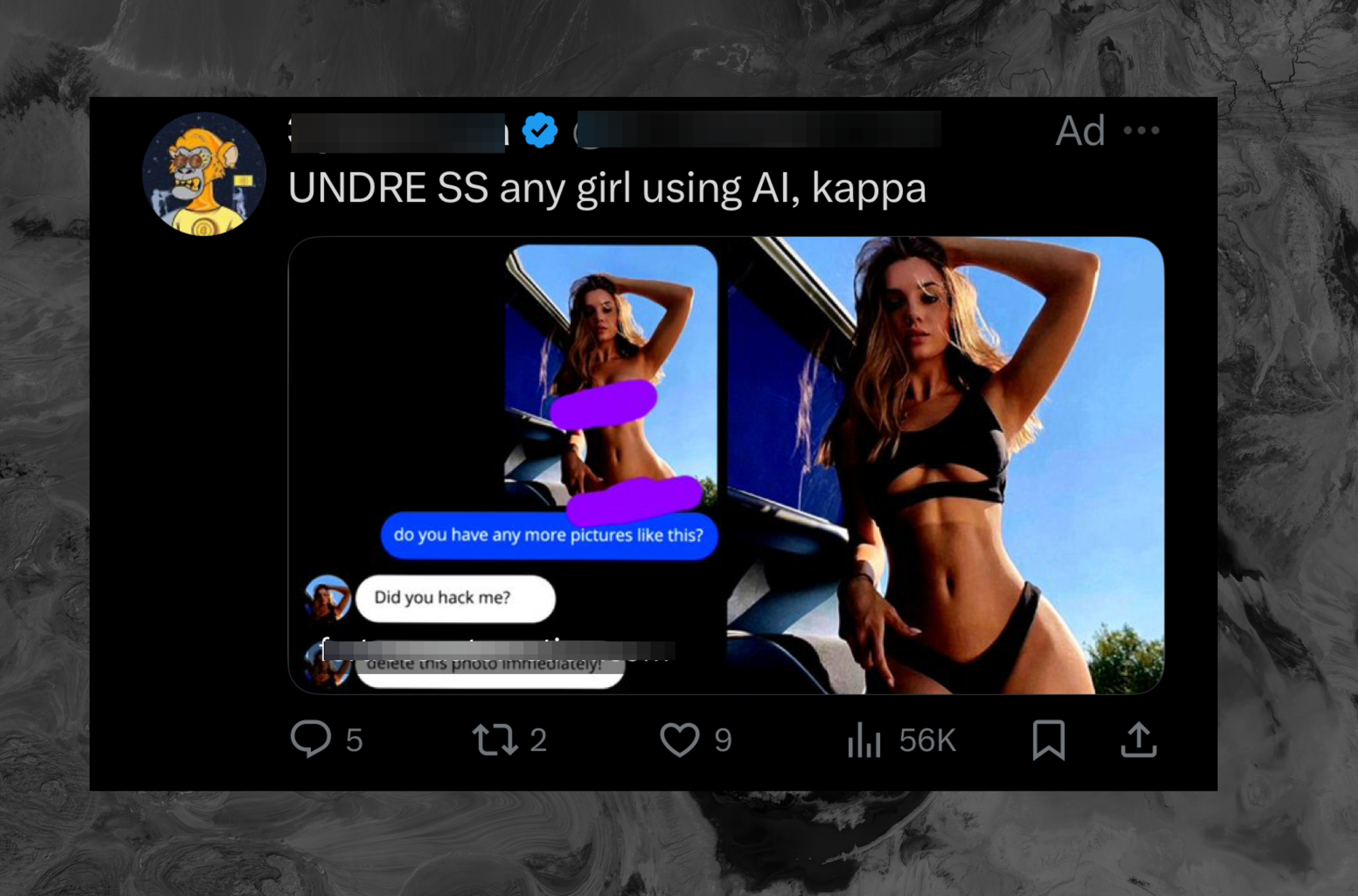
These systems do not “reveal” your anatomy; they create an convincing fake dependent on your face, pose, and lighting. When a “Garment Removal Tool” and “AI undress” Tool is fed your photos, the result can look realistic enough to trick casual viewers. Attackers combine this alongside doxxed data, compromised DMs, or reshared images to increase pressure and spread. That mix including believability and sharing speed is the reason prevention and quick response matter.
The 10-step protection firewall
You can’t control every repost, however you can minimize your attack vulnerability, add friction for scrapers, and rehearse a rapid takedown workflow. Treat following steps below similar to a layered defense; each layer provides time or decreases the chance your ainudez.us.com images end placed in an “NSFW Generator.”
The phases build from prevention to detection into incident response, plus they’re designed for be realistic—no perfect implementation required. Work using them in sequence, then put calendar reminders on these recurring ones.
Step 1 — Secure down your picture surface area
Control the raw data attackers can feed into an nude generation app by controlling where your facial features appears and how many high-resolution pictures are public. Begin by switching private accounts to limited, pruning public collections, and removing outdated posts that display full-body poses under consistent lighting.
Ask friends when restrict audience settings on tagged pictures and to delete your tag when you request deletion. Review profile alongside cover images; these are usually permanently public even for private accounts, therefore choose non-face photos or distant views. If you host a personal site or portfolio, decrease resolution and include tasteful watermarks to portrait pages. All removed or diminished input reduces overall quality and authenticity of a possible deepfake.
Step 2 — Make personal social graph challenging to scrape
Attackers scrape contacts, friends, and relationship status to target you or personal circle. Hide friend lists and fan counts where feasible, and disable visible visibility of romantic details.
Turn off visible tagging or require tag review ahead of a post appears on your page. Lock down “Users You May Meet” and contact linking across social applications to avoid accidental network exposure. Keep DMs restricted to friends, and avoid “open DMs” except when you run one separate work profile. When you need to keep a open presence, separate this from a private account and utilize different photos plus usernames to reduce cross-linking.
Step 3 — Eliminate metadata and confuse crawlers
Remove EXIF (location, hardware ID) from photos before sharing when make targeting alongside stalking harder. Most platforms strip EXIF on upload, yet not all messaging apps and cloud drives do, thus sanitize before transmitting.
Disable camera GPS tracking and live image features, which might leak location. When you manage one personal blog, include a robots.txt and noindex tags to galleries to minimize bulk scraping. Consider adversarial “style cloaks” that add subtle perturbations designed for confuse face-recognition tools without visibly modifying the image; they are not perfect, but they add friction. For children’s photos, crop identifying features, blur features, or use emojis—no exceptions.
Step Four — Harden your inboxes and private messages
Many harassment campaigns begin by luring people into sending recent photos or selecting “verification” links. Secure your accounts with strong passwords and app-based 2FA, deactivate read receipts, plus turn off message request previews therefore you don’t are baited by disturbing images.
Treat each request for images as a phishing attempt, even via accounts that look familiar. Do not share ephemeral “intimate” images with strangers; screenshots and second-device captures are trivial. If an unverified contact claims they have a “explicit” or “NSFW” picture of you generated by an machine learning undress tool, never not negotiate—preserve evidence and move toward your playbook in Step 7. Maintain a separate, protected email for recovery and reporting to avoid doxxing spread.
Step 5 — Mark and sign personal images
Visible or subtle watermarks deter casual re-use and help you prove provenance. For creator or professional accounts, insert C2PA Content Verification (provenance metadata) for originals so sites and investigators have the ability to verify your submissions later.
Maintain original files plus hashes in one safe archive therefore you can show what you completed and didn’t publish. Use consistent corner marks or subtle canary text to makes cropping clear if someone tries to remove that. These techniques won’t stop a determined adversary, but these methods improve takedown effectiveness and shorten arguments with platforms.
Step 6 — Monitor your name plus face proactively
Early detection shrinks spread. Create alerts regarding your name, username, and common variations, and periodically perform reverse image searches on your frequently used profile photos.
Search platforms and forums where mature AI tools alongside “online nude generator” links circulate, yet avoid engaging; someone only need sufficient to report. Evaluate a low-cost surveillance service or community watch group that flags reposts to you. Keep a simple spreadsheet for sightings with addresses, timestamps, and images; you’ll use that for repeated takedowns. Set a repeated monthly reminder for review privacy settings and repeat those checks.
Step 7 — How should you respond in the initial 24 hours post a leak?
Move quickly: gather evidence, submit service reports under appropriate correct policy classification, and control narrative narrative with trusted contacts. Don’t fight with harassers plus demand deletions individually; work through official channels that have the ability to remove content and penalize accounts.
Take full-page captures, copy URLs, and save post IDs and usernames. Send reports under “involuntary intimate imagery” and “synthetic/altered sexual content” so you reach the right enforcement queue. Ask any trusted friend for help triage while you preserve emotional bandwidth. Rotate account passwords, review connected apps, and tighten privacy in when your DMs and cloud were furthermore targeted. If underage individuals are involved, call your local cyber security unit immediately alongside addition to platform reports.
Step 8 — Evidence, escalate, and report via legal means
Document everything in any dedicated folder so you can progress cleanly. In numerous jurisdictions you are able to send copyright or privacy takedown notices because most deepfake nudes are adapted works of your original images, and many platforms process such notices also for manipulated media.
Where applicable, employ GDPR/CCPA mechanisms to request removal of data, including harvested images and profiles built on those. File police statements when there’s blackmail, stalking, or children; a case reference often accelerates site responses. Schools and workplaces typically maintain conduct policies addressing deepfake harassment—escalate through those channels if relevant. If you can, consult a digital rights organization or local legal aid for customized guidance.
Step 9 — Protect minors and spouses at home
Have any house policy: absolutely no posting kids’ photos publicly, no bathing suit photos, and no sharing of peer images to every “undress app” like a joke. Teach teens how “machine learning” adult AI software work and how sending any image can be exploited.
Enable device passcodes and disable cloud auto-backups for personal albums. If one boyfriend, girlfriend, or partner shares images with you, establish on storage rules and immediate elimination schedules. Use protected, end-to-end encrypted apps with disappearing communications for intimate media and assume captures are always possible. Normalize reporting questionable links and users within your family so you detect threats early.
Step Ten — Build workplace and school defenses
Establishments can blunt attacks by preparing before an incident. Establish clear policies covering deepfake harassment, unauthorized images, and “adult” fakes, including consequences and reporting paths.
Create a central inbox for urgent takedown requests alongside a playbook containing platform-specific links regarding reporting synthetic adult content. Train moderators and student leaders on recognition indicators—odd hands, deformed jewelry, mismatched lighting—so false alerts don’t spread. Preserve a list containing local resources: legal aid, counseling, and cybercrime contacts. Execute tabletop exercises each year so staff realize exactly what to do within initial first hour.
Risk landscape summary
Multiple “AI nude synthesis” sites market quickness and realism as keeping ownership opaque and moderation minimal. Claims like “our service auto-delete your photos” or “no keeping” often lack verification, and offshore servers complicates recourse.
Brands in this category—such as N8ked, DrawNudes, BabyUndress, AINudez, Nudiva, plus PornGen—are typically framed as entertainment yet invite uploads containing other people’s photos. Disclaimers rarely stop misuse, and policy clarity varies across services. View any site to processes faces toward “nude images” as a data leak and reputational danger. Your safest option is to skip interacting with them and to warn friends not to submit your photos.
Which artificial intelligence ‘undress’ tools create the biggest privacy risk?
The highest threat services are platforms with anonymous controllers, ambiguous data retention, and no clear process for submitting non-consensual content. Any tool that invites uploading images of someone else remains a red flag regardless of generation quality.
Look at transparent policies, identified companies, and third-party audits, but recall that even “better” policies can alter overnight. Below is a quick evaluation framework you have the ability to use to evaluate any site within this space minus needing insider expertise. When in doubt, do not upload, and advise individual network to execute the same. The best prevention remains starving these applications of source content and social credibility.
| Attribute | Warning flags you could see | Safer indicators to check for | What it matters |
|---|---|---|---|
| Operator transparency | No company name, absent address, domain anonymity, crypto-only payments | Verified company, team page, contact address, regulator info | Anonymous operators are challenging to hold responsible for misuse. |
| Content retention | Ambiguous “we may store uploads,” no deletion timeline | Specific “no logging,” elimination window, audit badge or attestations | Retained images can leak, be reused in training, or sold. |
| Oversight | No ban on third-party photos, no underage policy, no report link | Explicit ban on unauthorized uploads, minors detection, report forms | Absent rules invite misuse and slow removals. |
| Jurisdiction | Undisclosed or high-risk foreign hosting | Identified jurisdiction with enforceable privacy laws | Your legal options rely on where such service operates. |
| Origin & watermarking | No provenance, encourages sharing fake “nude images” | Supports content credentials, labels AI-generated outputs | Marking reduces confusion and speeds platform response. |
Five little-known facts that improve your odds
Small technical plus legal realities might shift outcomes toward your favor. Employ them to fine-tune your prevention plus response.
First, EXIF metadata is typically stripped by major social platforms upon upload, but numerous messaging apps keep metadata in attached files, so clean before sending compared than relying upon platforms. Second, anyone can frequently use copyright takedowns for manipulated images that were derived from your original pictures, because they remain still derivative products; platforms often accept these notices even while evaluating confidentiality claims. Third, such C2PA standard concerning content provenance becomes gaining adoption in creator tools and some platforms, alongside embedding credentials within originals can help you prove what you published if fakes circulate. Additionally, reverse image querying with a precisely cropped face and distinctive accessory may reveal reposts which full-photo searches skip. Fifth, many platforms have a dedicated policy category concerning “synthetic or manipulated sexual content”; picking proper right category while reporting speeds takedown dramatically.
Complete checklist you are able to copy
Audit public photos, lock accounts you don’t need visible, and remove high-resolution full-body shots that invite “AI nude generation” targeting. Strip information on anything you share, watermark material that must stay visible, and separate open profiles from private ones with varied usernames and pictures.
Set recurring alerts and backward searches, and preserve a simple incident folder template prepared for screenshots alongside URLs. Pre-save reporting links for major platforms under “non-consensual intimate imagery” plus “synthetic sexual material,” and share personal playbook with one trusted friend. Establish on household policies for minors plus partners: no uploading kids’ faces, absolutely no “undress app” jokes, and secure equipment with passcodes. When a leak takes place, execute: evidence, site reports, password changes, and legal advancement where needed—without communicating with harassers directly.